Quality Control in Pet Product Manufacturing
Author: PETESSE
Introduction – Why Quality Control Matters
In the global pet supply industry, quality control (QC) is not a formality—it is the foundation of compliance, brand trust, and buyer profitability. For sourcing managers, QC failures mean recalls, customs rejection, or loss of retail contracts. Buyers who establish systematic QC protocols safeguard not only their reputation but also their long-term supplier partnerships.

View Petesse’s Products
Step 1 – Raw Material Verification
Every quality assurance process begins with materials. From fabrics in collars and harnesses to plastics in feeders and toys, upstream validation prevents downstream risk.
• Requesting supplier material certificates (REACH, CPSIA, EN71).
• Using independent labs for random spot testing.
• Avoiding unknown sub-suppliers in the textile and plastics chain.
Step 2 – In-Process Quality Checks
Waiting until final inspection is too late. Progressive QC during manufacturing ensures defects are caught before mass production.
• Inline inspection reports after the first 20% output.
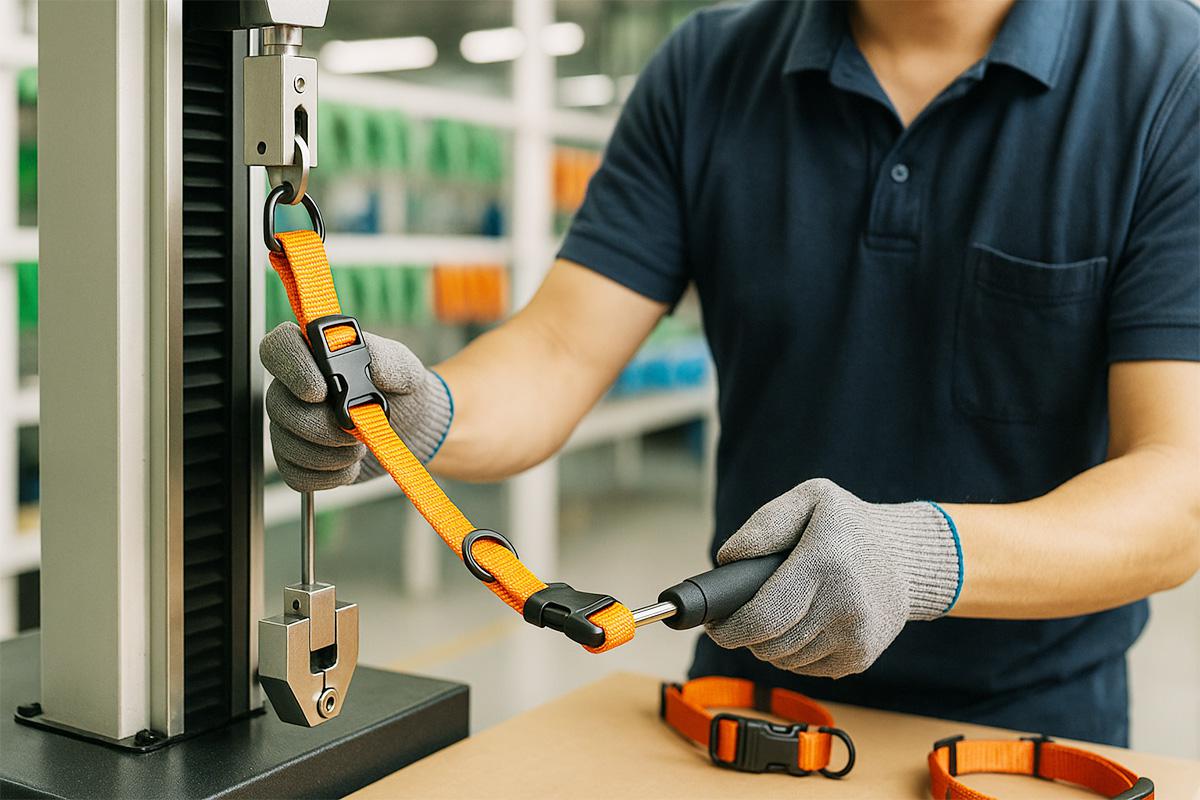
• Stitching strength tests for harnesses and beds.
• Colorfastness tests for dyed fabrics.
Step 3 – Final Product Inspection
Before shipment, third-party audits are a must. International buyers typically adopt AQL standards (Acceptable Quality Level) to define defect thresholds.
• Visual inspection (logo placement, color consistency).
• Functional testing (zippers, buckles, safety locks).
• Packaging compliance (barcode, labeling, carton strength).
Step 4 – Compliance & Documentation
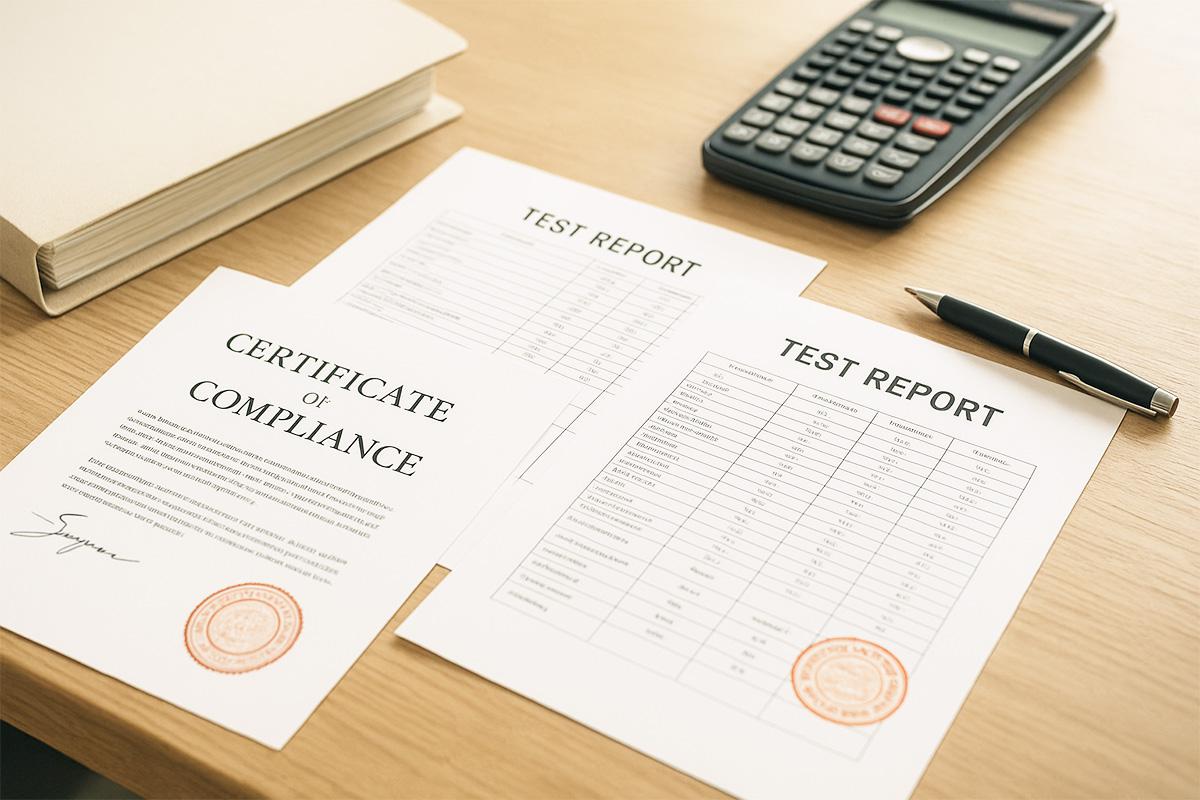
Documentation proves compliance at customs and retail audits. Buyers should ensure:
• Availability of lab test reports.
• Certificates for eco-materials or electronic compliance (CE/FCC).
• Audit-ready QC reports in English for EU/US partners.
Step 5 – Continuous Improvement with Suppliers
QC is not only about rejecting poor products—it is about building better supply chains. Leading buyers treat QC reports as a learning tool to guide factories in continuous improvement, reducing defect rates over time. This strengthens mutual trust and lowers long-term sourcing costs.
Conclusion – QC as a Competitive Advantage
For international buyers, quality control is not a cost center but a competitive edge. By enforcing rigorous QC processes, importers gain faster customs clearance, lower return rates, and stronger retail acceptance. Factories that demonstrate robust QC systems become strategic partners rather than transactional vendors.

Contact Petesse for Solutions
Related Reading
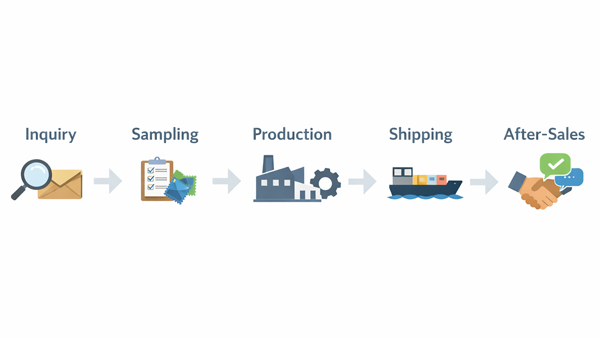
PETESSE Workflow: From Inquiry To Delivery—How We Run Orders
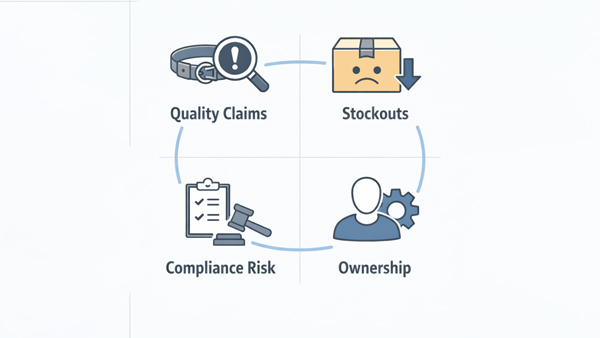
PETESSE Experience: Sourcing Risks In Pet Products—And How We Keep Them Under Control

Private Label Pet Feeding Mats: Fix The Top Causes Of Complaints And Returns

Private Label Pet Feeding Mats: Simple Assortments That Look Clean And Reorder Well