PETESSE Workflow: From Inquiry To Delivery—How We Run Orders
Author: PETESSE
After an inquiry, most buyers just want two things: they know what’s going on, and they know who to talk to if anything needs attention. That’s exactly how we run orders at PETESSE.
Below is a practical overview of how PETESSE runs an order—from the first message to after-sales follow-up—so you know what to expect at each stage.
Stage 1—Inquiry: The 4 Inputs That Protect Price, Lead Time, And Compliance
To price it right and plan the timeline, we usually start with four details:
1. Quantity
We know customers’ plans may change—especially for new launches or trial orders. A realistic starting estimate helps us price it correctly and reserve production time. If the quantity changes later, that’s fine as well—sharing the update early usually keeps pricing and lead time smoother. Small trial runs are welcome too—even 100 pcs below a typical MOQ—we’ll still try to make it work.
2. Compliance requirements
Examples: FSC for birdhouses, or FDA-related requirements for portable silicone bowls. With clear compliance targets, PETESSE can assign a qualified manufacturer and line up the right documents and testing plan from the start.
3. Target lead time
If there’s a preferred shipping window, it helps to share it early. Timing affects factory scheduling and shipping capacity—especially around peak seasons like Chinese New Year (CNY)—so earlier planning reduces the chance of tight vessel space or rollovers.
4. Target market (optional)
If buyers share where the products will be sold, PETESSE can suggest options on style, construction, and packaging based on what tends to work in that market.
Once pricing is confirmed, we move into sampling.
Stage 2—Sampling: Making Tech Packs Production-Ready
Sampling is basically where we make sure everything can be produced the same way, every time.
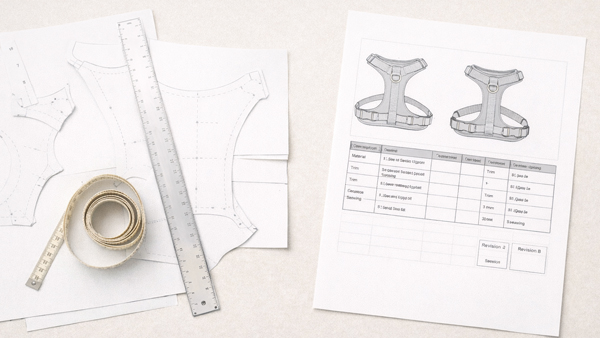
If customers have a tech pack, PETESSE will review it and may suggest small tweaks that make production more stable and the finished product more reliable. Two common examples:
• Adding bartacks on a harness to improve strength in high-stress areas
• Adding small areas of silicone printing on a dog car seat so it’s less likely to slip
Depending on the program, sampling can include a few rounds (for example: proto sample, revised sample, sales sample, approval sample, and pre-production sample). Once the approval sample is confirmed, PETESSE arranges raw material preparation and purchasing for bulk production. If a pre-production sample (PPS) is required, bulk production starts after PPS confirmed.
Explore Our Products
Stage 3—Production: The Checkpoints We Use During Manufacturing
During production, PETESSE coordinates key timing points with the production team so inspections and shipping can be planned early, not rushed at the end.
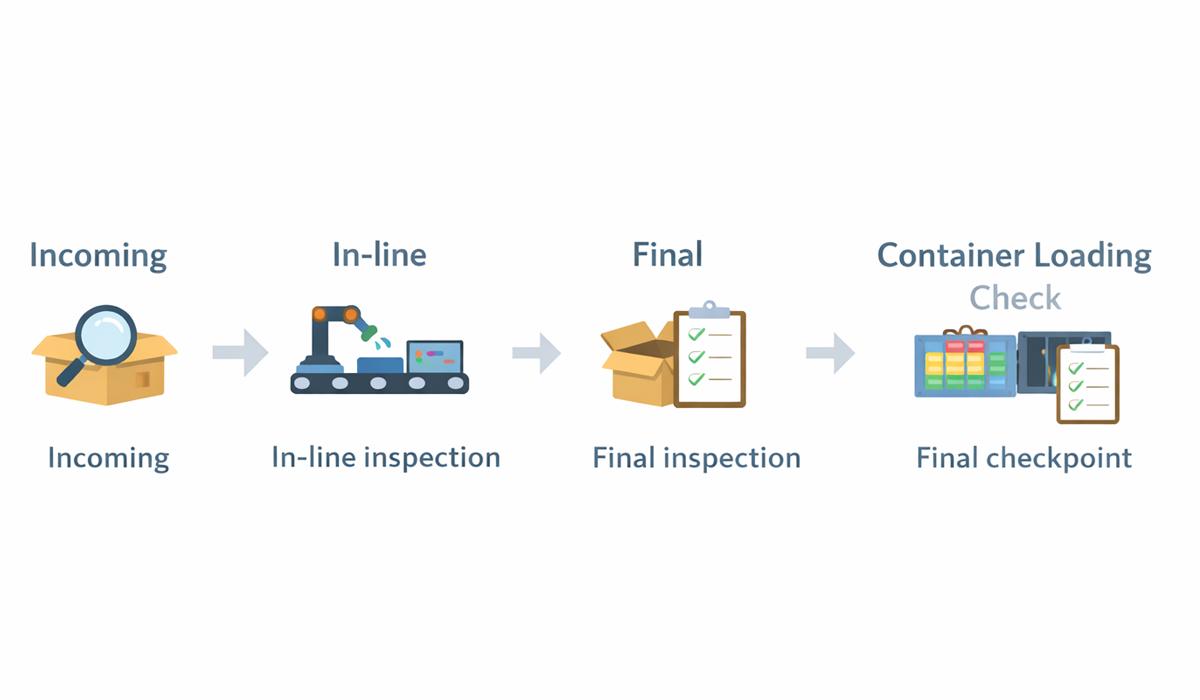
Checkpoints are set around the manufacturing steps and the typical risk points of each product type. A standard order may include:
• Incoming material inspection (when materials arrive on site)
• In-line inspection (during key production steps)
• Final inspection (before packing and shipment readiness)
• Container loading check (when required)
Related read: You can also read our experience on the four biggest sourcing risks
 Stage 4—Shipping: Coordinating The Handover And Departure
Shipping is usually smooth when the handover is clean.
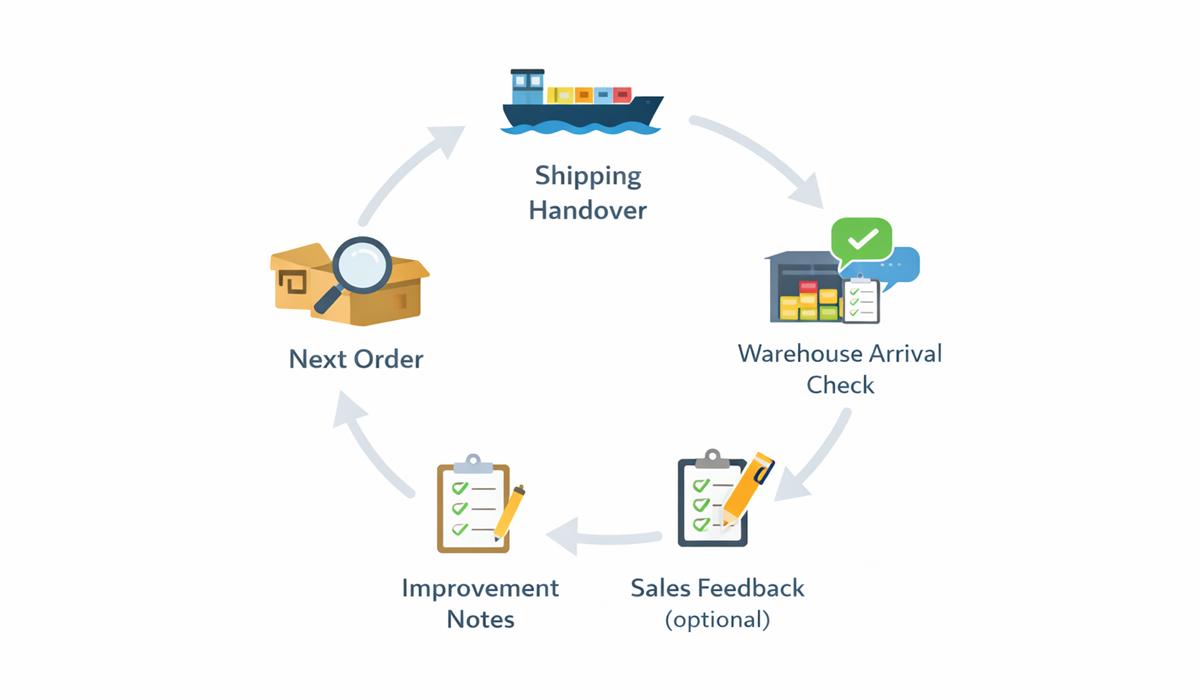
PETESSE coordinates shipment timing with either its own freight forwarder or the customer’s nominated forwarder. The focus is making sure the order is handed over in the right condition, with the right packing status and matched shipping details—so there are fewer surprises after arrival.
Stage 5—After-Sales: Arrival Confirmation And Improvement For Repeat Orders
After the goods reach the customer’s warehouse, PETESSE checks in to confirm the shipment arrived as expected and on schedule. This helps track shipping performance and keep lead times more predictable over time.
If customers are open to sharing sell-through or market feedback later, PETESSE can review it together with their team and discuss whether future orders would benefit from small improvements—often around construction details, durability points, packaging choices, or labeling clarity—so repeat orders run even smoother.
Making The Process Easy To Follow
This is how PETESSE keeps orders steady, even when customers aren’t close to the production site: fewer surprises, updates at the right moments, and clear responsibility when something needs attention.
Request A Workflow Review For Your Next Order
PETESSE manufactures and supplies pet products for wholesale and distribution programs.
Related Reading
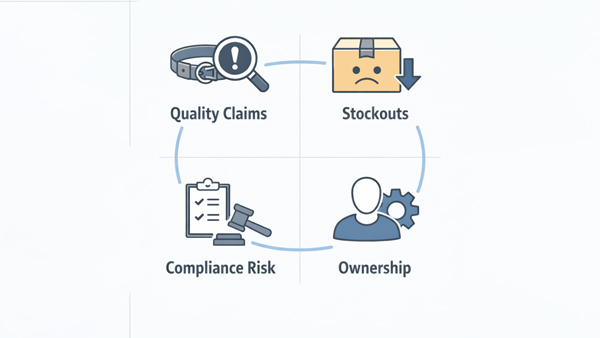
PETESSE Experience: Sourcing Risks In Pet Products—And How We Keep Them Under Control
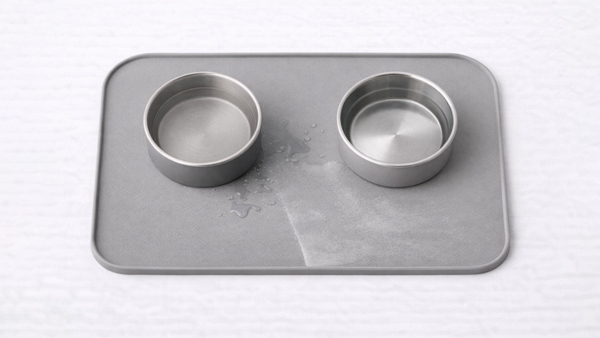
Private Label Pet Feeding Mats: Fix The Top Causes Of Complaints And Returns
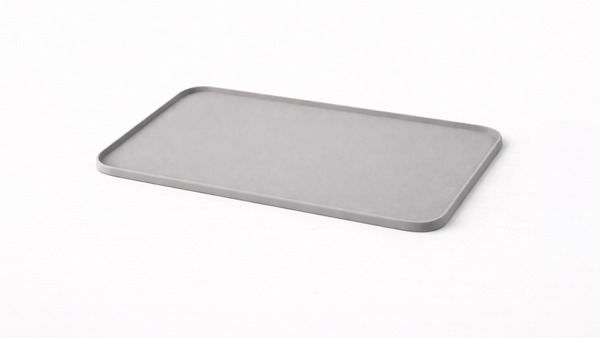
Private Label Pet Feeding Mats: Simple Assortments That Look Clean And Reorder Well
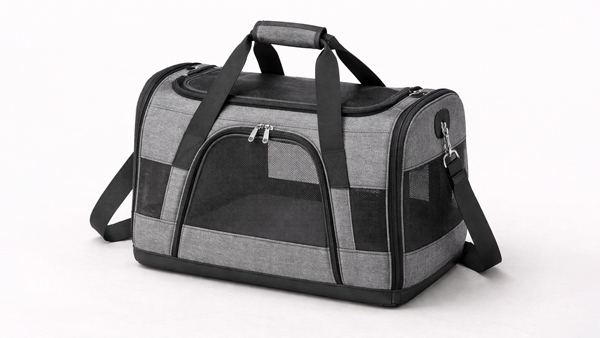
ODM Pet Carrier Programs: Practical Design Choices For Retail-Ready Collections