OEM Pet Pattern Manufacturing: Keeping Fit And Final Details Consistent Across Reorders
Author: PETESSE
A pet product line becomes easier to scale when patterns stay stable. Not“perfect samples,”but predictable outcomes: consistent fit across sizes, materials that behave the same on repeat runs, and finishing that keeps your brand presentation clean in photos and in hand.
Pattern Stability Shows Up In Returns, Reviews, And Repeat Orders
Most assortment issues don’t start at the product page—they start when a reorder arrives and fit feels slightly different, straps sit differently, or the same size no longer matches earlier batches. A stable pattern workflow reduces these small drifts, which is often the fastest way to protect margins on multi-size programs.
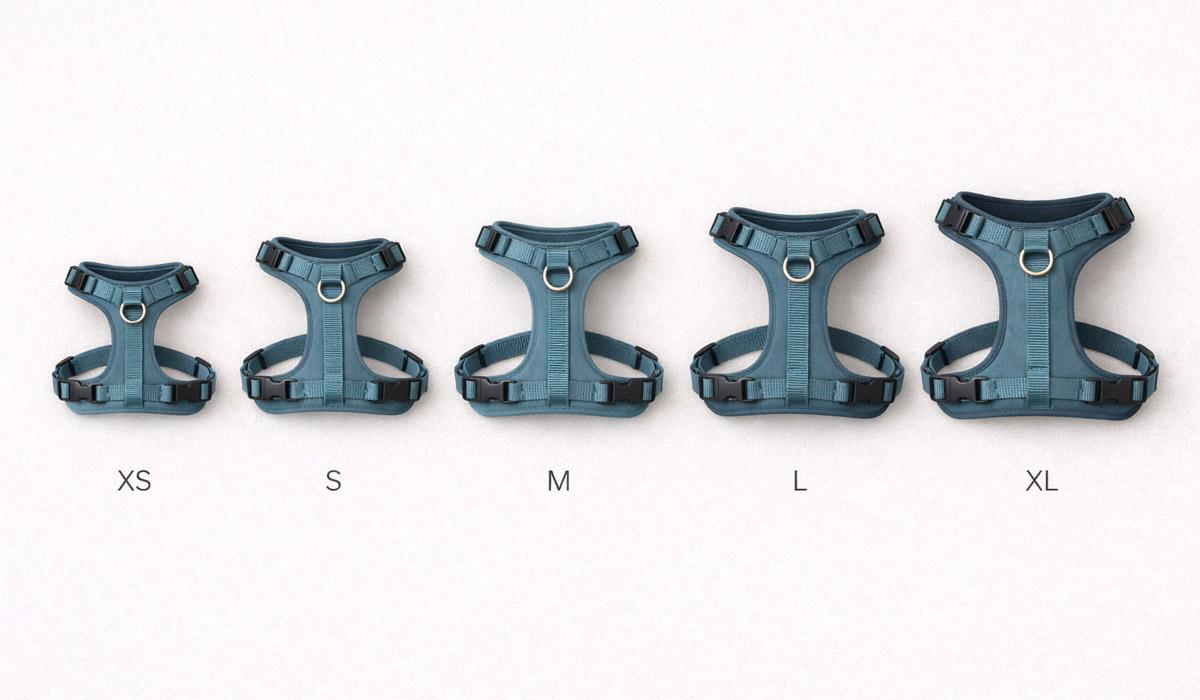
A Reliable Size Run Looks Cohesive, Not Just“Bigger Or Smaller”
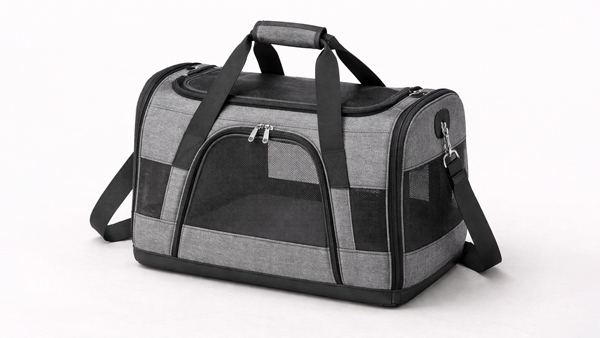
In strong OEM programs, grading preserves proportions: panel balance, strap angles, seam placement, and stress-point positioning stay sensible across the range. This is especially important for items with adjustment points (harnesses), structured panels (carriers), or thick layers (beds and cushions), where small shifts can change the product feel.
Material Compatibility Is A Quiet Differentiator In OEM Results
The same silhouette can look“off”when materials change: thicker webbing affects folds and stitch paths, padding changes edge height, and softer fabrics reveal distortion. When the pattern is built with material behavior in mind, you get a consistent look across colorways and updates—without reworking the entire fit.
Clean Finishing Usually Comes From Pattern Choices, Not Last-Minute Fixes
Neat binding, tidy topstitching lines, and smooth edges are often downstream of good pattern decisions: seam allowances that match the binding method, panel joins that avoid bulk, and stress points that are designed to be reinforced cleanly. This is the kind of detail that upgrades your perceived quality even in simple, mainstream materials.
Version Control Keeps Your Assortment From Drifting Over Time
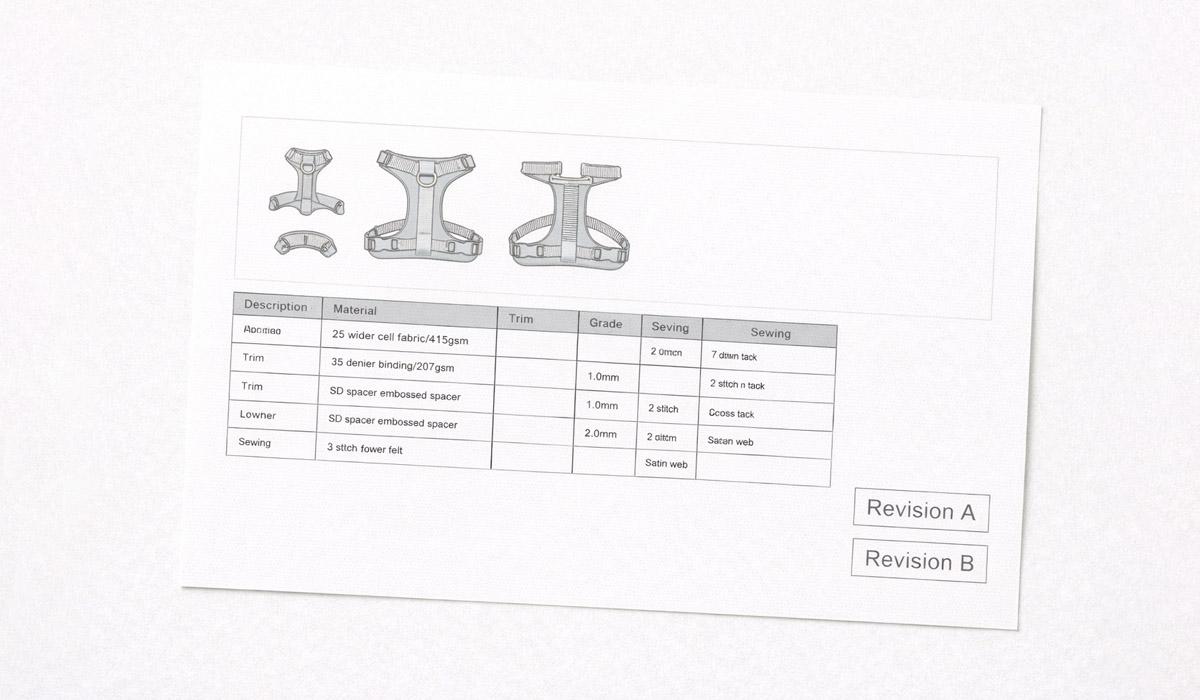
For buyers managing seasonal colors or retailer programs, pattern/version control is a practical advantage. When revisions are tracked and specs are locked for reorders, the line stays consistent—helpful for marketplaces, packaging continuity, and coordinated sets (for example, matching dog and cat styles with the same trim language).
Where PETESSEGLOBAL Fits In Pattern-Driven OEM Programs
PETESSE supports OEM development with a focus on pattern consistency and reorder stability—especially for buyers building coordinated collections across sizes, colorways, and related categories. This approach also pairs well with“clean merchandising”strategies that rely on stable specs and repeatable silhouettes, not image-heavy listing builds.
Request OEM Development Support
Signals That An OEM Pattern Workflow Will Scale With Your Business
What typically helps buyers move faster is clarity and repeatability: stable grading across core sizes, predictable material behavior across runs, finishing that stays clean at scale, and controlled revisions that keep reorders aligned. When these signals are present, expanding the range—new colors, new trims, or adjacent items—tends to be lower risk.
Explore Our Product Categories
Related Reading
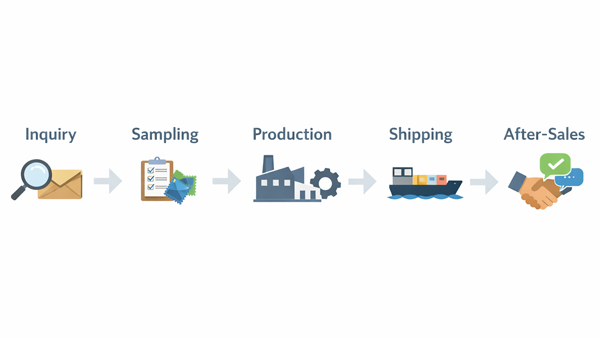
PETESSE Workflow: From Inquiry To Delivery—How We Run Orders
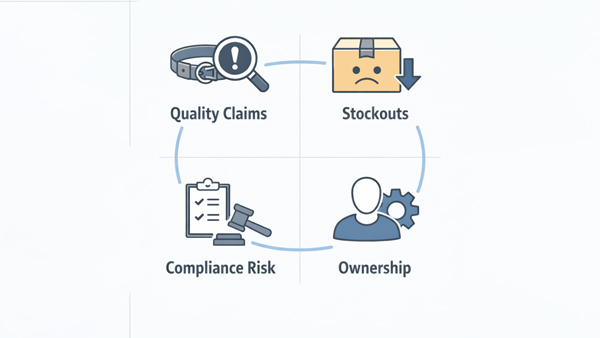
PETESSE Experience: Sourcing Risks In Pet Products—And How We Keep Them Under Control
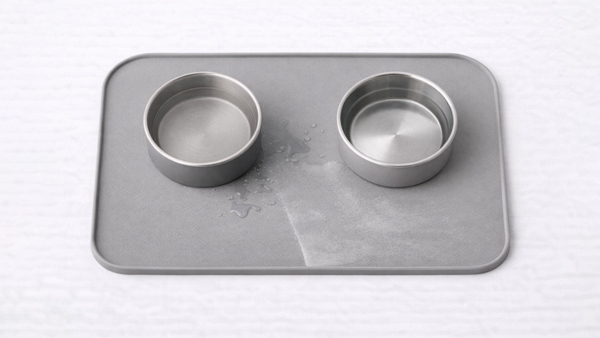
Private Label Pet Feeding Mats: Fix The Top Causes Of Complaints And Returns
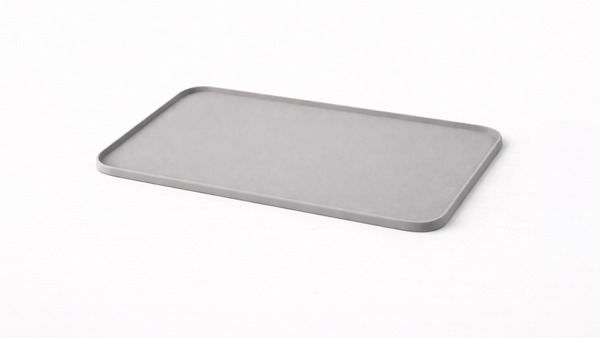
Private Label Pet Feeding Mats: Simple Assortments That Look Clean And Reorder Well