Compliance Standards for Pet Supplies
Author: PETESSE
Introduction
Compliance is a critical factor in the international pet supply trade. Buyers must ensure that products meet safety, labeling, and material regulations before entering their target markets. This guide explains key standards and how to work with suppliers to stay compliant.
About Petesse
Step 1 – Understand Regional Regulations
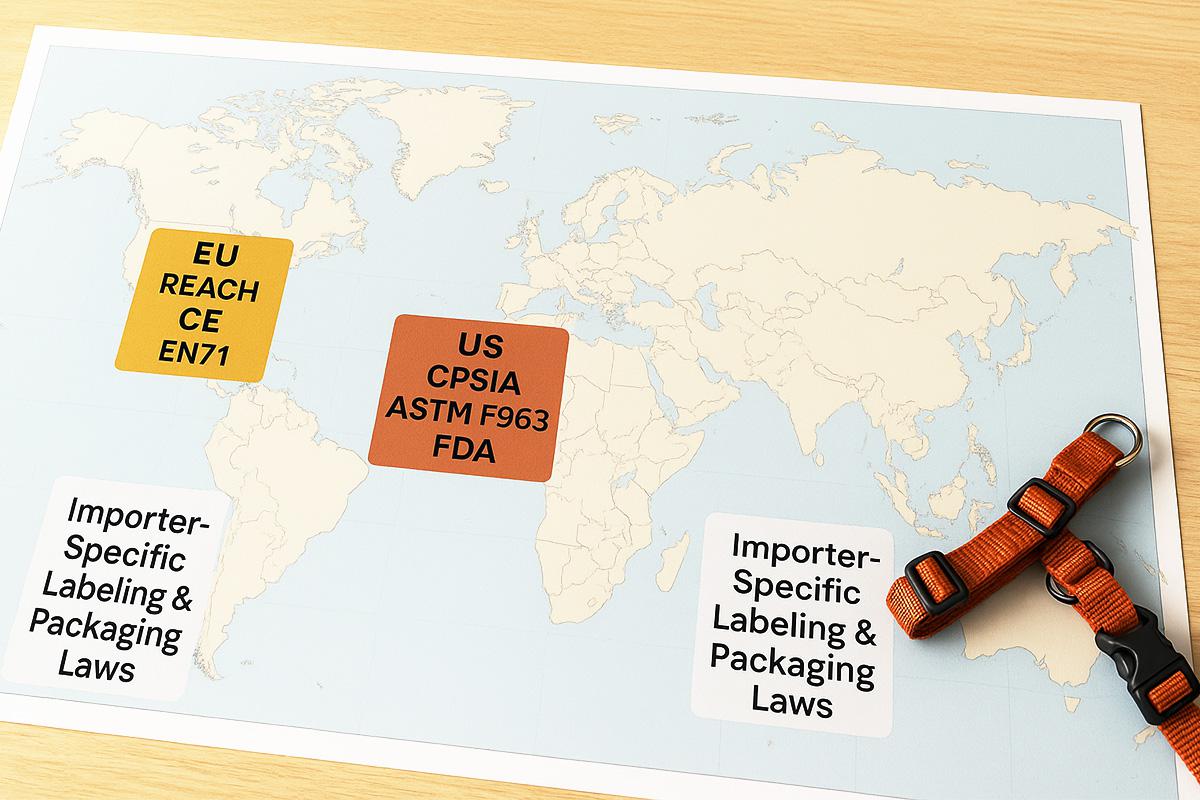
Different markets enforce different standards:
• EU: REACH (chemical safety), CE marking, EN71 (toys).
• US: CPSIA (children’s products if relevant), ASTM F963 (toys), FDA standards for feeding items.
• Other regions: Importer-specific labeling and packaging laws.
Step 2 – Material Safety & Restricted Substances
Pet products often involve textiles, plastics, and metals. Test for lead, phthalates, azo dyes, heavy metals. Only approved materials should be used in collars, bowls, toys, and carriers.
Step 3 – Product Testing & Certification
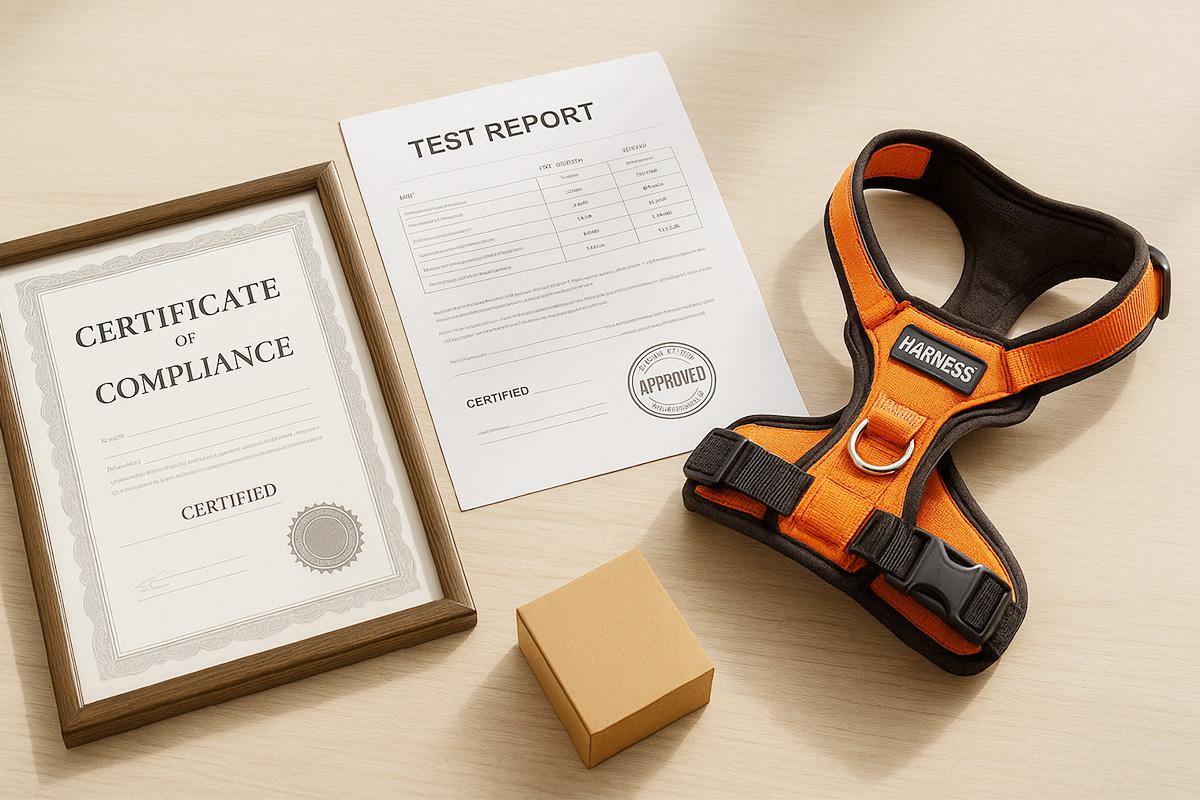
Work with third-party labs (e.g., SGS, TÜV, Intertek) for mechanical safety, durability, and chemical tests. Certificates help prevent customs delays and build buyer trust.

Step 4 – Labeling & Documentation
Ensure packaging includes:
• Country of origin
• Product description
• Safety warnings (if required)
• Barcode & compliance symbols
Step 5 – Continuous Compliance Monitoring
Regulations evolve. Buyers should request updated test reports annually and conduct random inspections to ensure compliance remains intact.

Conclusion
Compliance is not optional—it protects brands from recalls, fines, and reputational risks. By partnering with PETESSE, buyers gain access to audited factories and compliance expertise, ensuring smooth entry into global markets.
Contact Our Sales Team
Related Reading
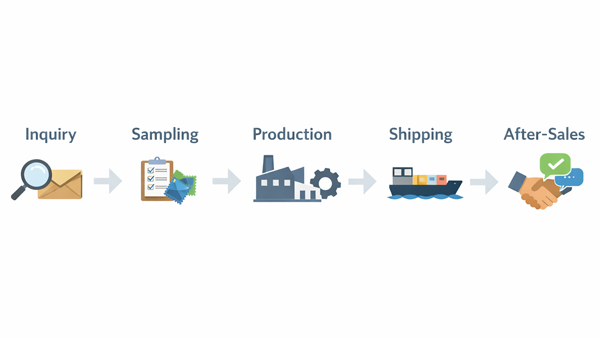
PETESSE Workflow: From Inquiry To Delivery—How We Run Orders
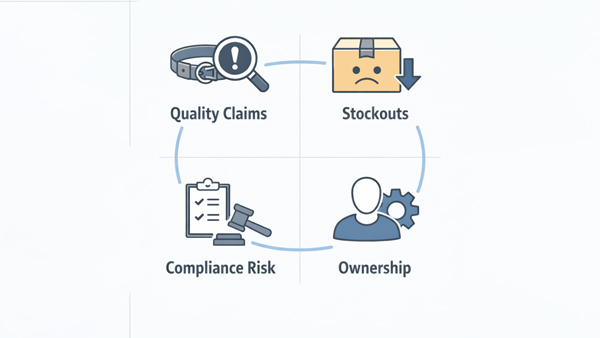
PETESSE Experience: Sourcing Risks In Pet Products—And How We Keep Them Under Control
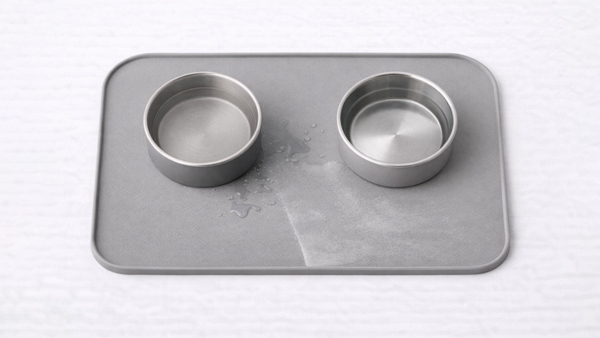
Private Label Pet Feeding Mats: Fix The Top Causes Of Complaints And Returns
Private Label Pet Feeding Mats: Simple Assortments That Look Clean And Reorder Well