Dog And Cat Harness Sourcing: OEM Options That Keep Fit And Finishes Consistent
Author: PETESSE
A dog-and-cat harness range tends to succeed when it feels coordinated but not compromised. The best results usually come from a few smart choices up front—choices that protect fit consistency, reduce SKU chaos, and keep reorders smooth.
Start With A“Two-Silhouette”Assortment
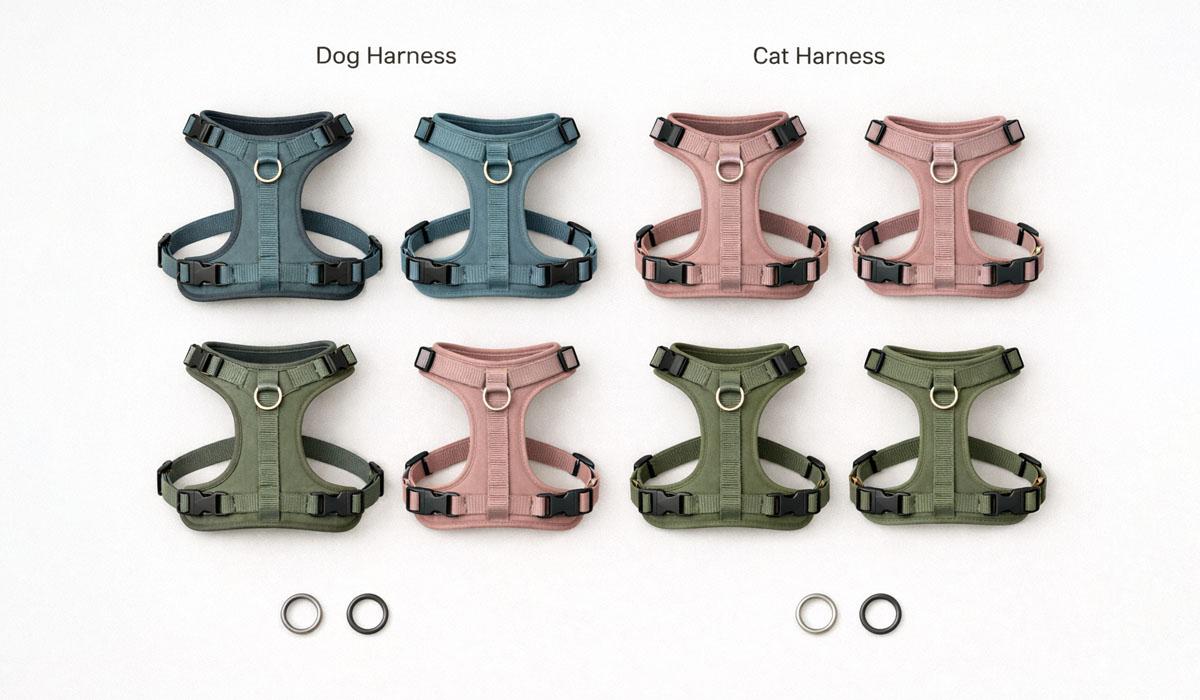
A practical place to begin is one dependable dog silhouette and one dependable cat silhouette—both in the same trim language (webbing look, hardware finish, label placement). It keeps your presentation clean, while giving each species the right comfort and security profile. After that foundation works, adding a padded upgrade or seasonal color becomes much easier.
Prioritize Fit Consistency Over Newness
If you’re deciding where to place attention, put it on fit stability across production—especially in your core sizes. A harness that fits the same way on repeat orders is easier to sell, easier to review, and easier to support. New colors and trims are low-risk; inconsistent sizing is not.
Choose Components That Are Easy To Repeat
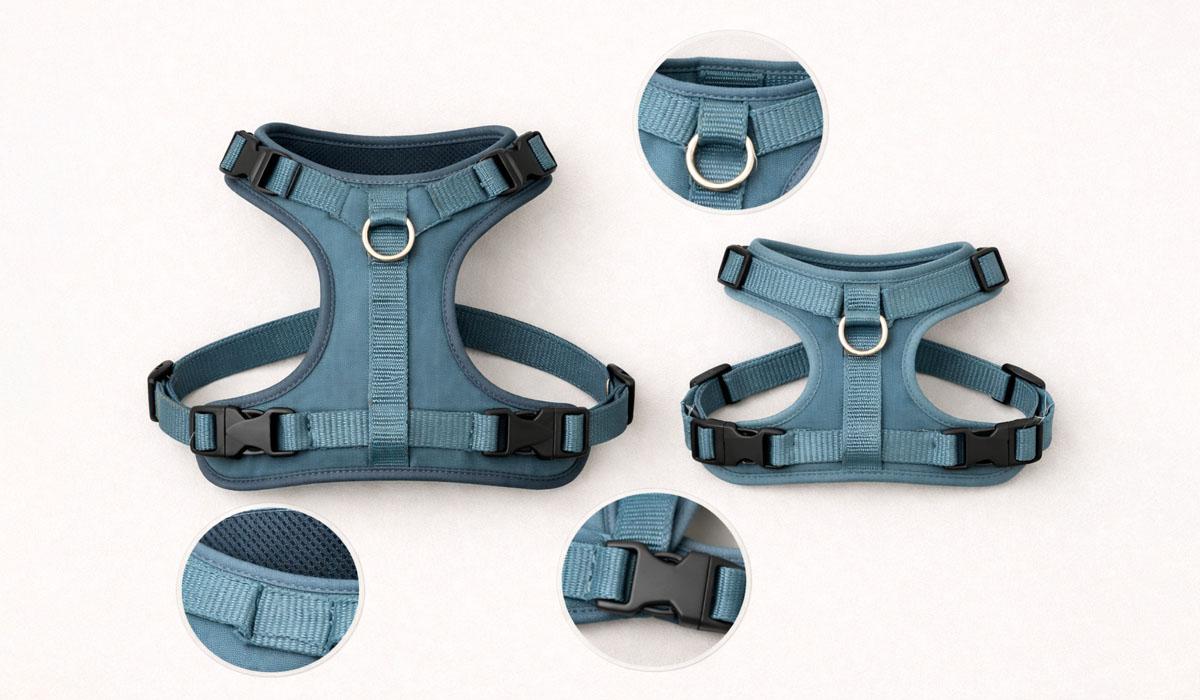
For wholesale programs,“repeatable”components tend to win: webbing that holds its hand-feel, padding that keeps shape, and buckles/D-rings that look and function the same from batch to batch. If you want a premium look without pushing complexity, a consistent hardware finish and tidy edge binding usually deliver the quickest visual upgrade.
Use Finishing As Your Quality Signal
When you’re comparing OEM options, the details that photograph well are often the details that last: even topstitching, neat binding, reinforced attachment zones, and clean strap ends. If your brand is positioned mid-to-high, finishing is often a better differentiator than chasing unusual materials.
Keep Branding Simple And Scalable
Woven labels, heat transfers, and standardized size marks are usually enough to make a harness feel brand-native—without creating fragile, hard-to-repeat processes. If packaging matters for your channel, aligning size presentation and color naming across dog and cat styles helps your range feel intentional.
A Simple Way To Plan MOQ Without Overloading SKUs
A common approach is to lock your core silhouettes and sizes first, then introduce colorways in a controlled set. It keeps MOQ planning straightforward and makes reorder decisions faster. If you’re building matching leashes or collars later, reusing webbing colors and hardware finishes can reduce sourcing friction.
Where PETESSE Can Support Your Harness Program
If you want a harness range that’s easy to merchandise and reliable to reorder, PETESSE supports coordinated OEM assortments under WALK & WEAR—Collars, Harnesses & Leashes. We can align dog and cat harnesses into a consistent series (colors, trims, sizing logic, packaging structure) so your lineup stays clean and scalable.
Get A Harness OEM Assortment Proposal
A Buyer-Friendly Checklist For Shortlisting Options
When you’re narrowing choices, it can help to keep the evaluation simple: consistent fit in core sizes, stable components, clean finishing, and a trim system you can repeat across the range. If those boxes are checked, your harness line is usually in a strong position to grow.
Talk About Your OEM Requirements
Related Reading
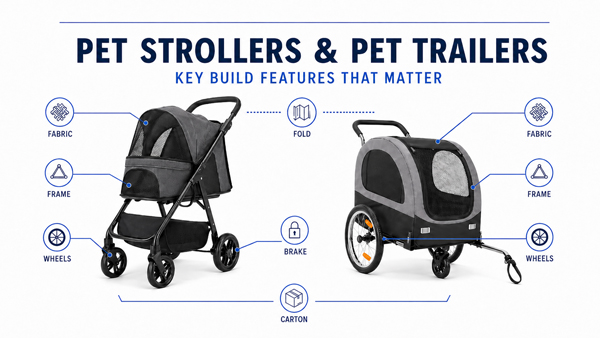
Pet Strollers & Trailers: The Build Details Buyers Check Before Placing a Bulk Order
OEM Pet Outdoor Beds: Weather-Ready Fabrics And Easy-Clean Designs For Wholesale
ODM Pet Water Fountain Manufacturer: Quiet Flow, Easy Cleaning, Retail-Ready Designs
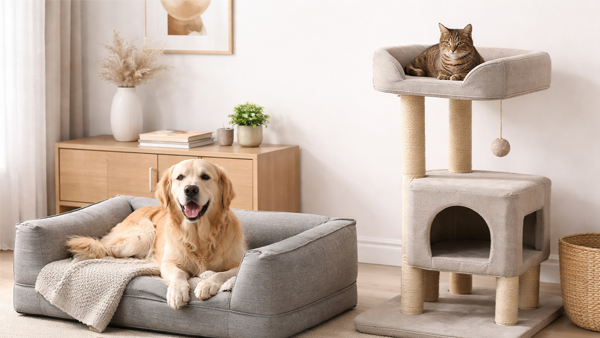
Pet furniture for wholesale: dog beds, cat trees, and market-ready OEM options